
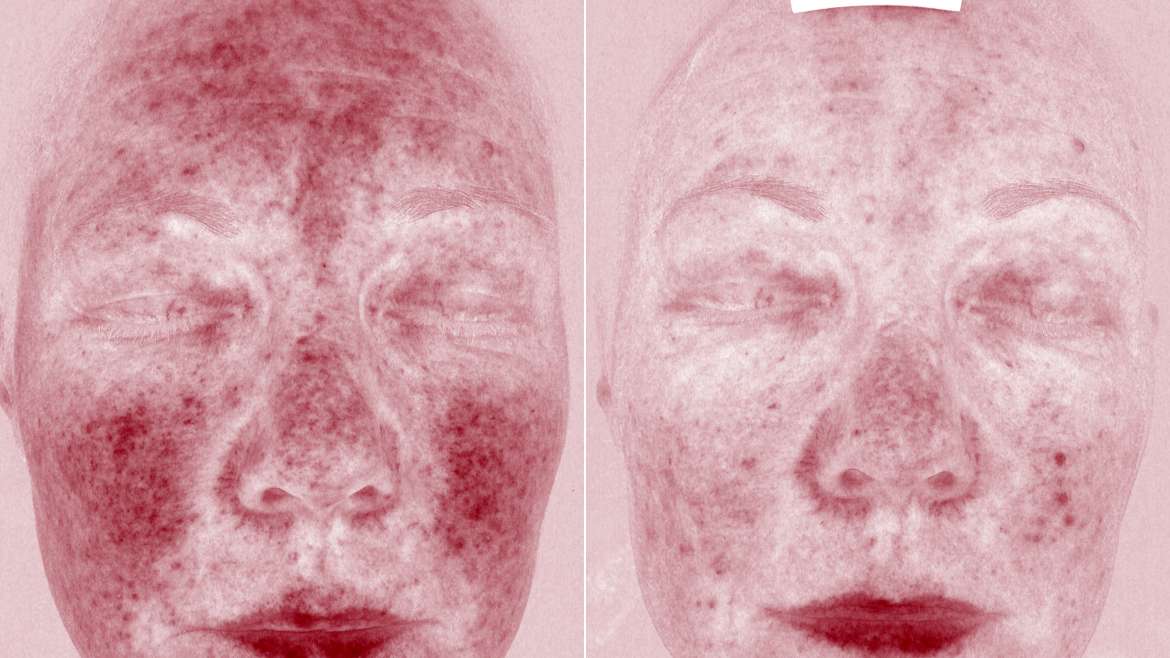
Redness is a skin disease whose symptoms along with the worsening of its condition can be effectively treated with the appropriate therapy.
A dermatologist may prescribe antibiotics or isotretinoin capsules and a suitable ointment, and remove the tiny veins using vascular lasers, IPL or ELOS technology. Due to the reduced blood supply to the upper part of the skin, facial flushing becomes less frequent and the disease subsides for a period of time. Usually, the effect of two to three laser treatments is visible for up to a year, after which the vein removal procedure must be repeated.
Body capillaries
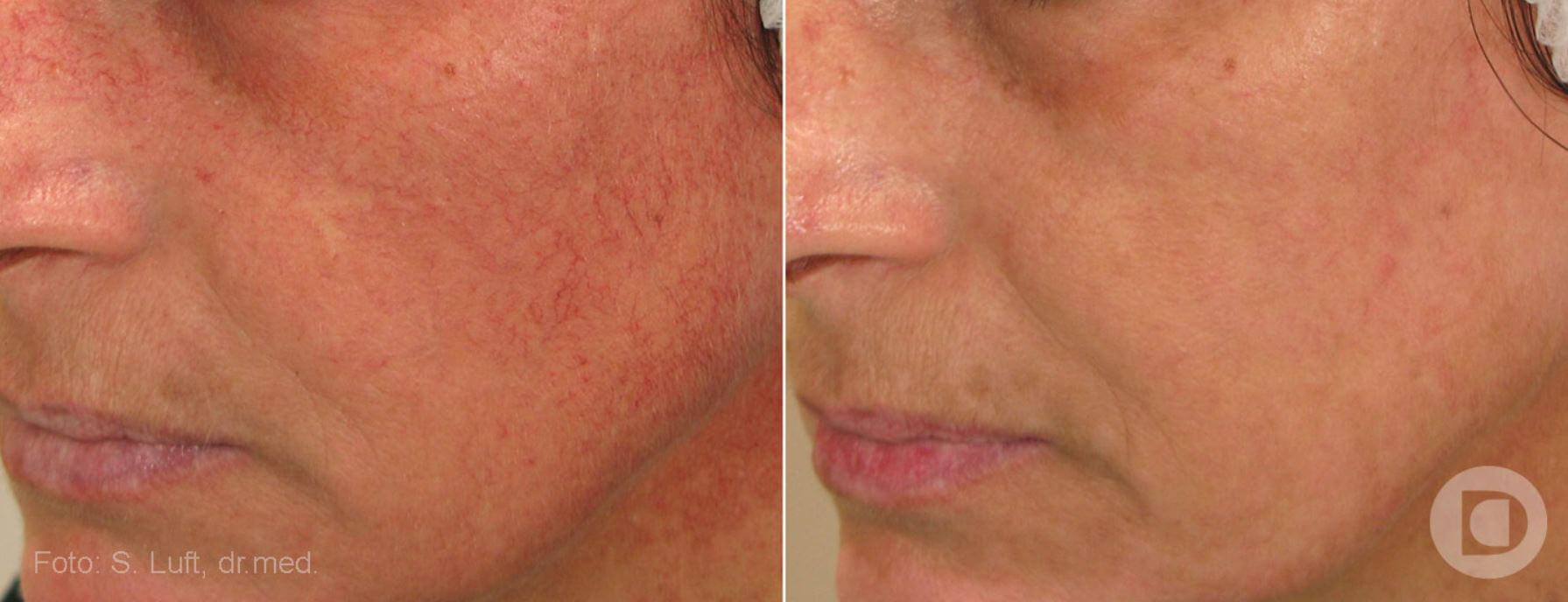
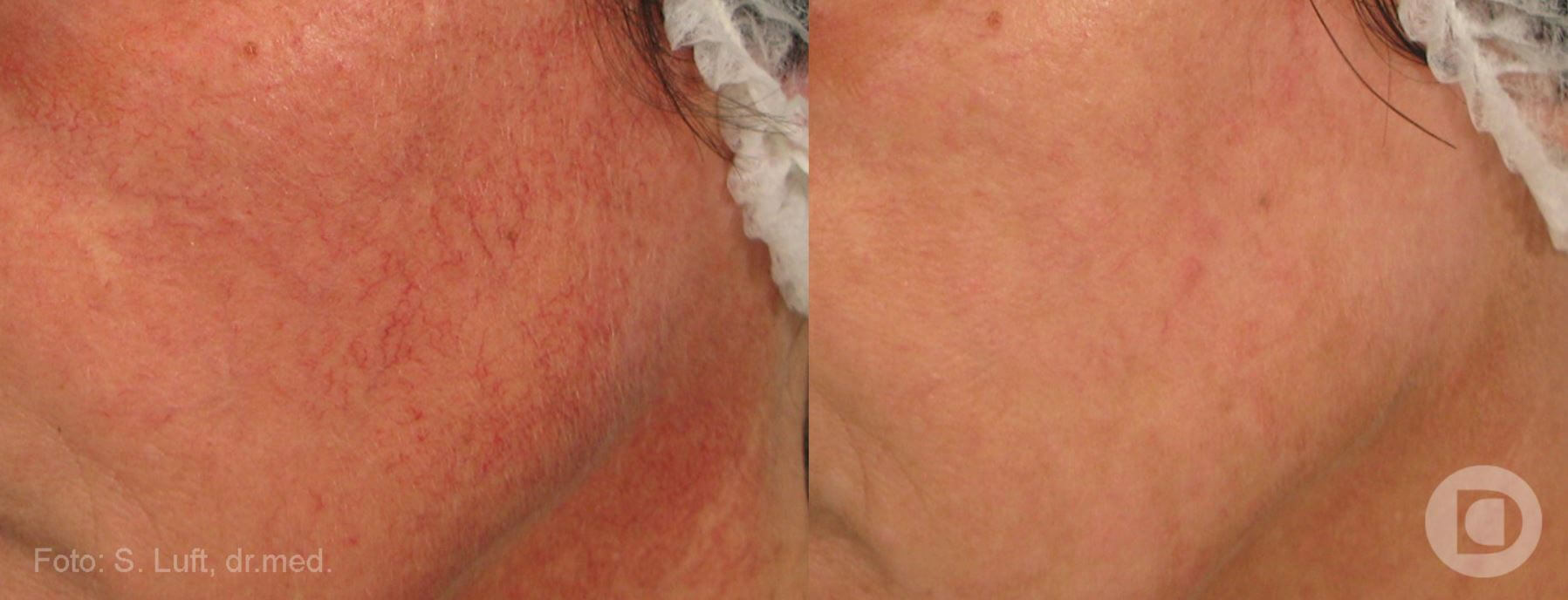
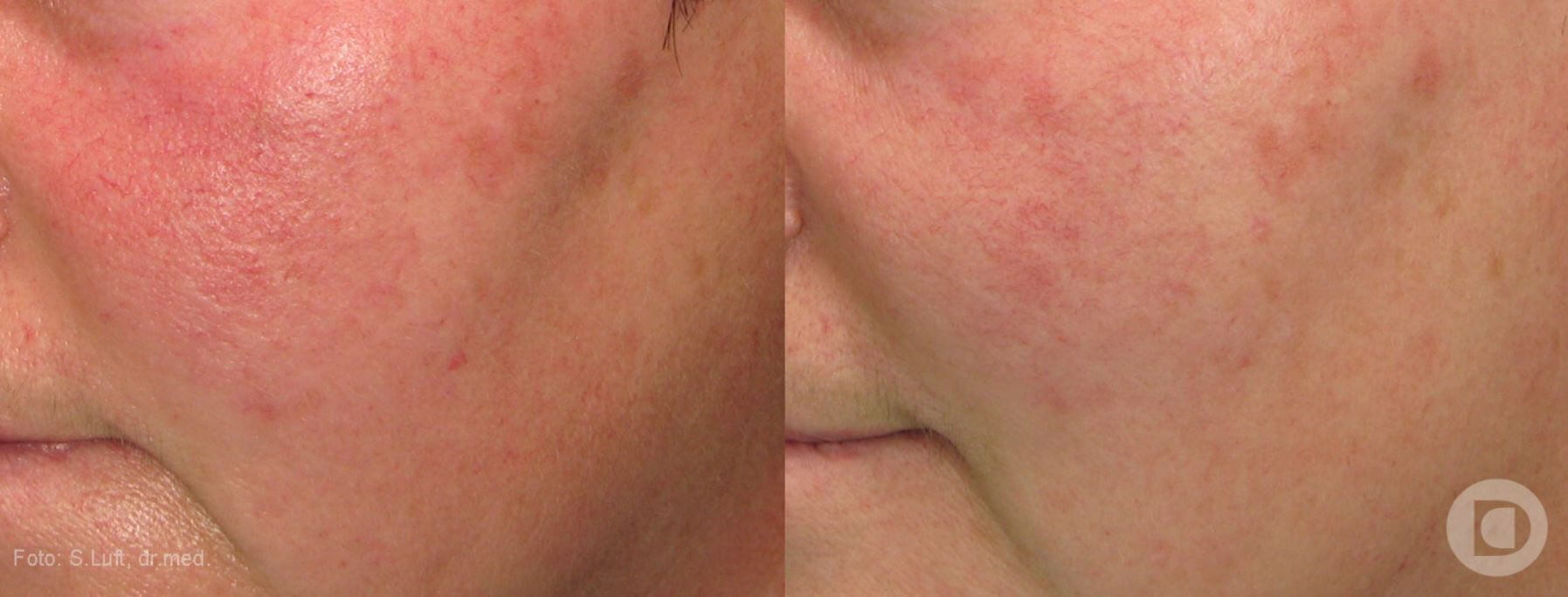
Capillaries on the face, neck, chest, torso and legs can become permanently enlarged and visible due to hereditary predisposition or external influences. Vascular lasers and ELOS technology mentioned above are also used to remove the capillaries in question. The light from the lasers concentrated in the targeted capillary is converted into heat, which closes the capillary, with the latter then being broken down and removed with the blood flow.
Number of treatments
A large network of capillaries needs several repetitions, while a single capillary usually disappears after just one treatment. Some vascular structures, such as cavernous haemangiomas and nevus flammeus, also require more persistence and their removal is not always successful.
Side effects
The procedure is accompanied by intermittent pain, similar to being hit with an elastic band. In the case of a smaller capillary network, the redness then subsides after a few minutes, while in the case of larger areas it lasts slightly longer, and there may be some mild swelling, which subsides after a few days without treatment. Small and isolated scabs are rare.
Conditions for the procedure
The removal of the veins can only be safely performed on non-tanned skin, which must be strictly protected from the sun after the procedure. Especially if the treatment with lasers or ELOS technology is intended to be repeated after a few weeks, or until the changes on the skin caused by the procedure have disappeared.
Rosacea is a chronic skin disease that affects the skin on the face and eyes. It is characterised by both exacerbations and improvements. The exact causes are still unknown, but lifestyle and the environment can accelerate the development of the disease. There are various suspected causes: changes in blood flow, microscopically small skin mites (Demodex), inflammation of the follicles, sun damage to the skin and an increased immune or inflammatory response of the skin due to psychological factors.
The most common symptoms are redness, itching and stinging. Swelling may also occur. Symptoms most commonly develop on the nose, cheeks and chin, where enlarged capillaries, swelling, scaling and inflammatory skin rashes are visible. It may develop gradually, as a mild flush or a mild flush that later develops into a permanent flush. Eye redness may develop on the eye area or on the eyelids. Symptoms include redness, dry eye mucosa, tenderness in the eye area and stinging. As far as eyelids are concerned, redness, scabs and loss of eyelashes may occur.
Avoid sun exposure, emotional stress, hot or cold water, wind, alcohol, hot baths, boiling drinks and certain skin creams.
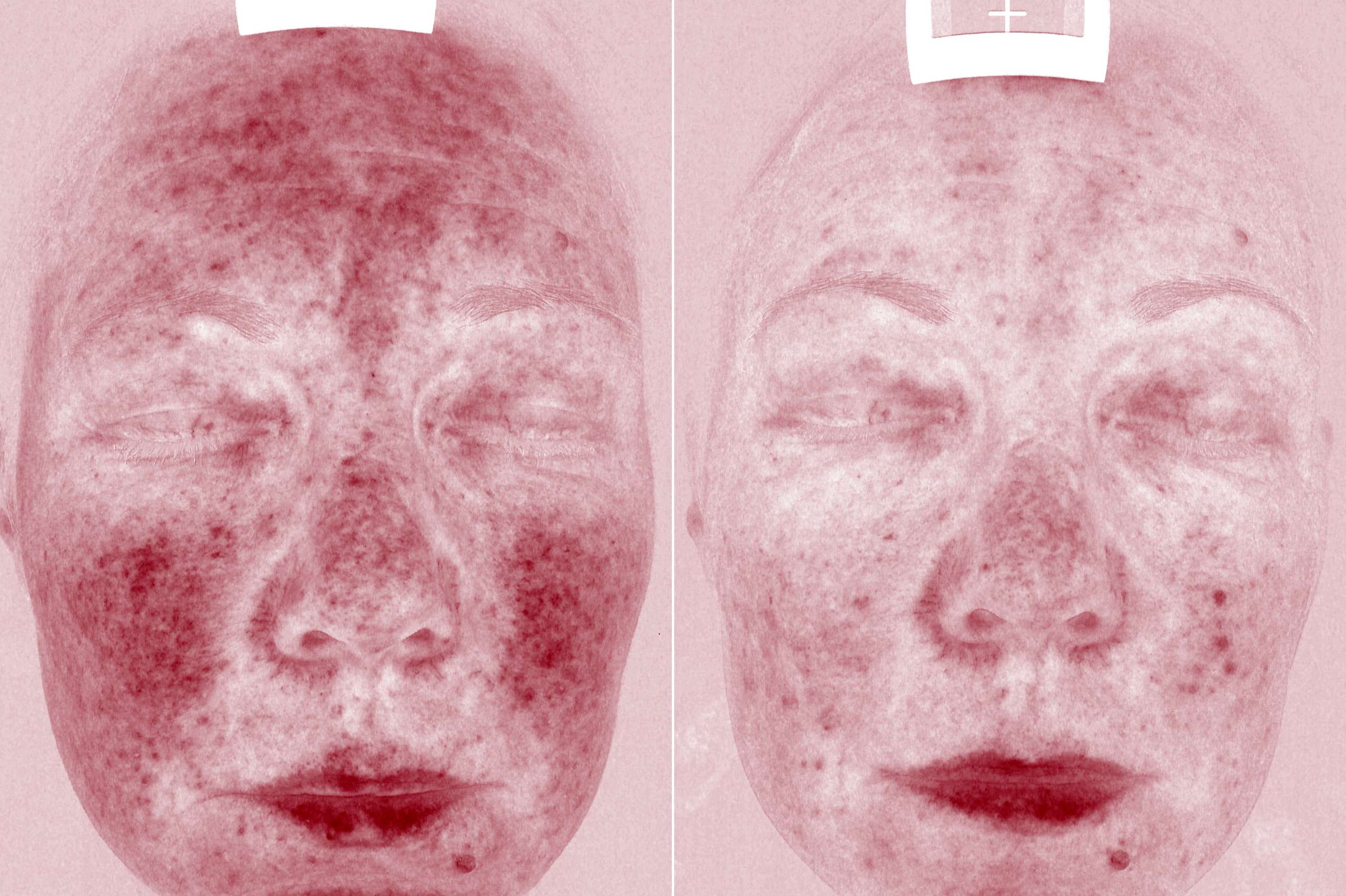
Photo gallery
Appointments and further information
To book an appointment, contact us Monday to Friday from 8:00 to 16:00 on the following telephone number: 064 12 80 15 or send an e-mail: info@derma-rogaska.si