

Most people in the Western world experience acne at some point in their lives. It usually occurs during the teenage years. However, it can also appear for the first time in adulthood, potentially developing into a more severe form and never fully subsiding in some individuals.
Most people in the Western world experience acne at some point in their lives. It typically occurs during the teenage years. However, it can also first appear in adulthood, possibly developing into a more severe form and, in some individuals, never fully subsiding.
On average, acne lasts between 4 and 15 years. Acne has a significant impact on quality of life, social interactions, and self-perception, especially during adolescence. If left untreated, acne often leaves scars that permanently affect skin appearance and overall quality of life.
What are the skin changes associated with acne?
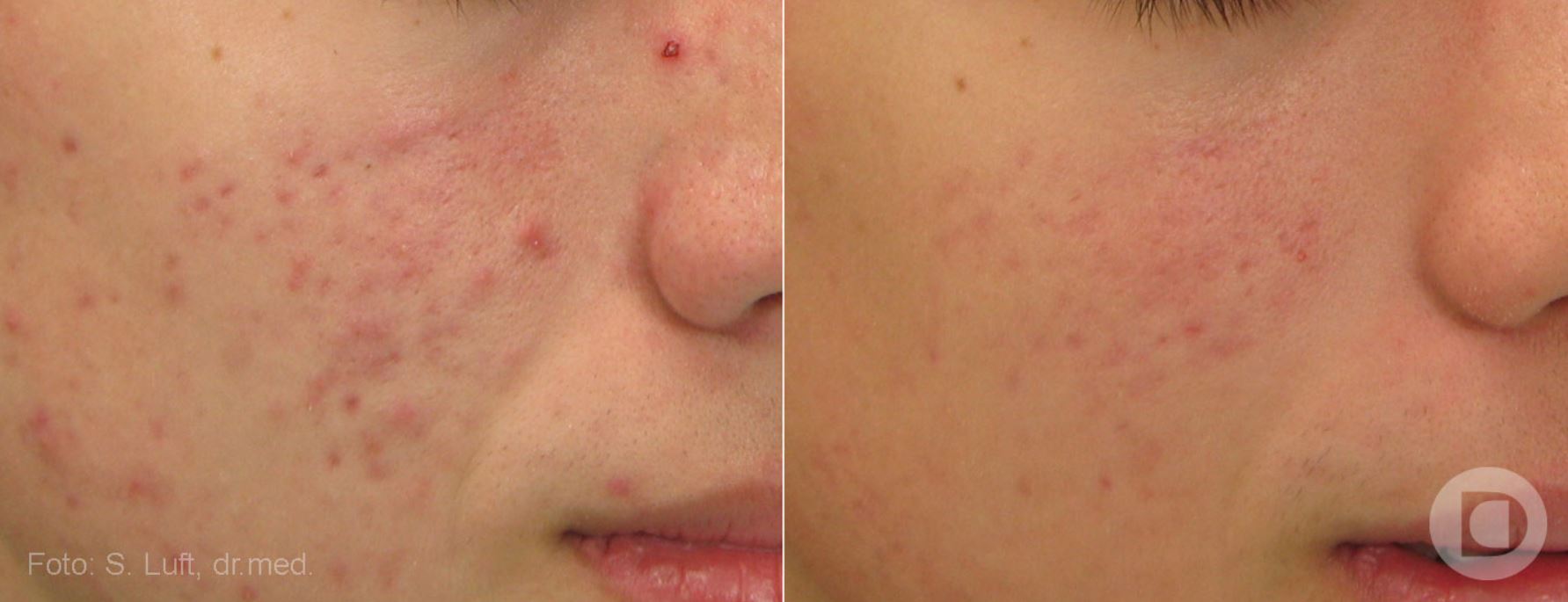
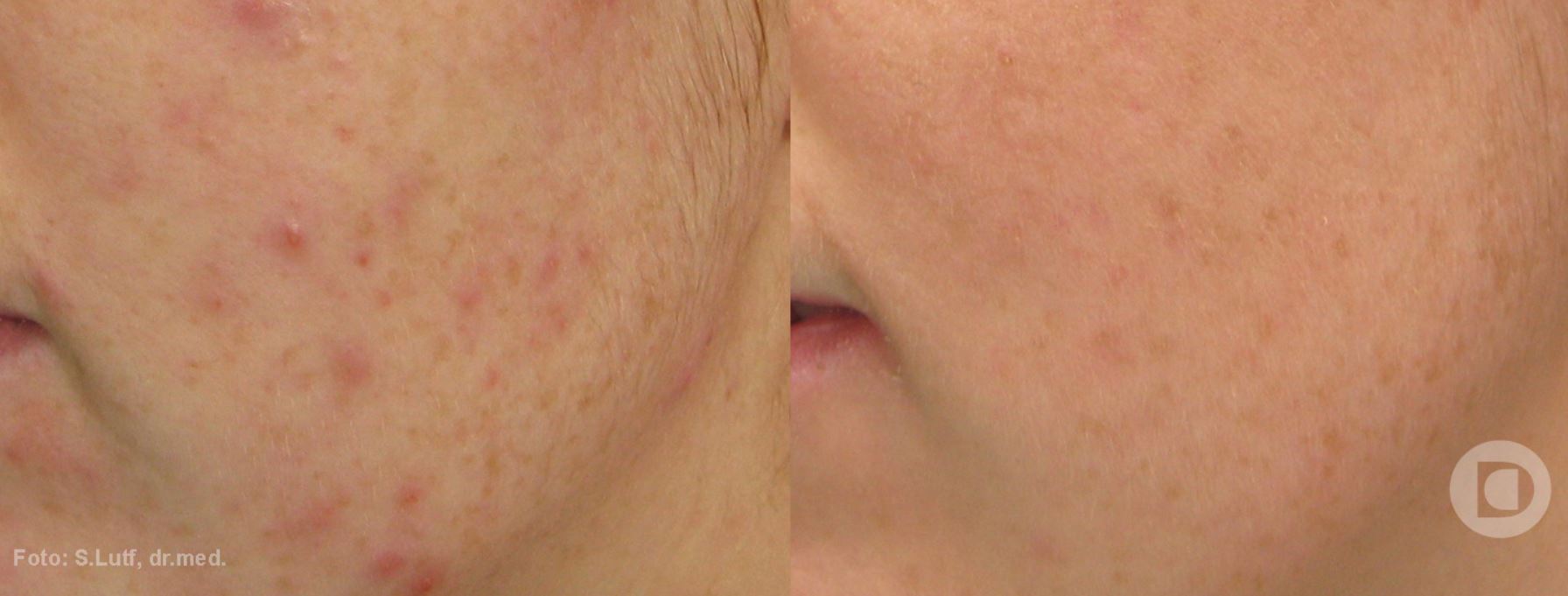
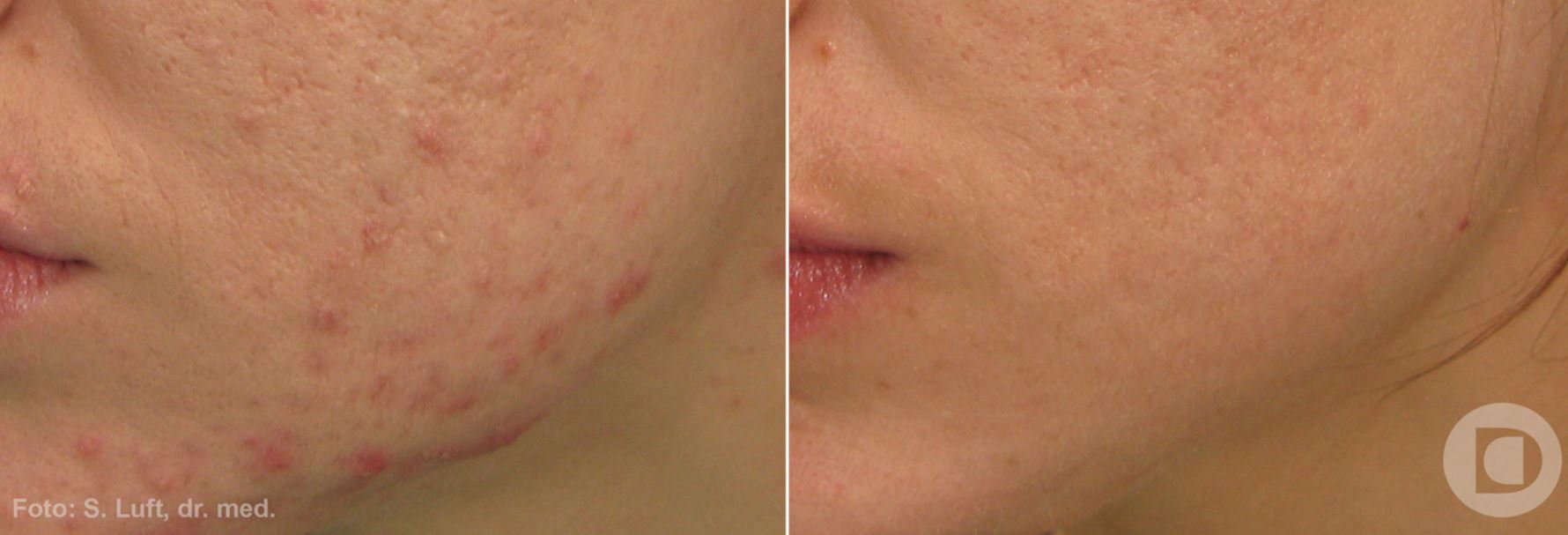
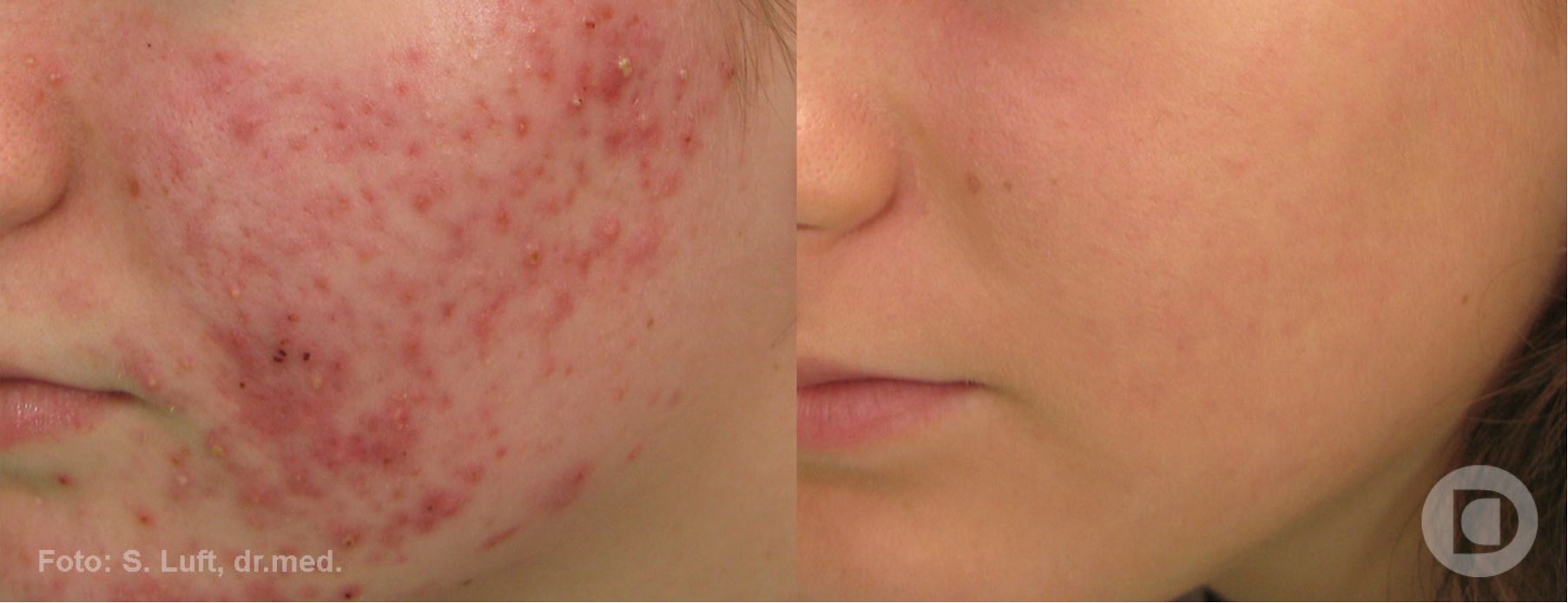
Acne mainly appears on the face but can also affect the neck, back, chest, and other areas. Acne develops in the pilosebaceous unit (hair follicle and sebaceous gland). It can manifest as inflamed lesions—small red bumps with or without a yellow tip—or as deep, red nodules. Blackheads and whiteheads represent non-inflammatory acne. An individual may show multiple forms of acne simultaneously. Individual acne lesions may last less than two weeks, while deeper lesions can persist for months. Most acne patients have oily skin.
Skin changes associated with acne include:
-
Scratches
-
Red spots (healed inflamed acne, often in fair-skinned individuals)
-
Hyperpigmented spots (brown spots at the sites of healed acne, more common in darker-skinned individuals)
-
Various types of scars
Why is acne most common during the teenage years?
Acne is usually, though not always, most prevalent during adolescence. Several theories explain this:
-
Increased levels of sex hormones during puberty
-
These hormones are converted into dihydrotestosterone, which stimulates sebaceous glands to enlarge
-
Sebaceous glands produce more sebum, and the cells in these glands release more pro-inflammatory substances
-
Inflammation and improper shedding of skin cells clog the gland ducts, forming a blockage that leads to comedones (blackheads/whiteheads)
-
The wall of the follicle can rupture, causing inflammation in the surrounding area
-
Bacteria in the follicle contribute to inflammation, resulting in acne lesions
Although acne is most common among teenagers, it can occur at any age.
It typically subsides by the age of 25, but 15% of women and 5% of men continue to have acne after that. In some cases, it first appears in adulthood.
How is acne treated?
Acne treatment depends on the patient’s age and gender, the extent and severity of the condition, its duration, and the response to previous treatments.
-
Mild acne (<20 comedones, <15 inflammatory lesions, or total <30) is treated with prescription creams and/or cosmetic acne creams, as well as light-based therapies such as lasers, IPL, or LED treatments to reduce inflammation.
-
Moderate acne (20–100 comedones, 15–50 inflammatory lesions, or total 30–125) is treated with oral antibiotics, contraceptives, or anti-androgens (in women only).
-
Severe acne (>5 nodules, >100 comedones, >50 inflammatory lesions, or total >125) is treated with isotretinoin.
Permanent resolution of acne is only expected with isotretinoin, which must be prescribed and monitored by a physician and is taken over several months. All other treatments offer temporary relief and require ongoing daily use of topical therapy and occasional use of light treatments or repeated courses of contraceptives or antibiotics.
The goal of acne treatment is to prevent inflammation and scarring.
Advice: Only mild acne can be treated without a doctor’s help. In such cases, cosmetic creams and facial cleansers from reputable brands, available in pharmacies, can help. If no improvement is observed after 1.5 months of regular use, consult your general practitioner or a dermatologist.
Note: Acne cleansing in beauty salons is not acne treatment. If you have non-inflammatory acne (blackheads and whiteheads), a cosmetic technician may remove them. However, proper creams or medications are needed to prevent recurrence, so repeated cleansing sessions are usually unnecessary. Acne is a skin disease and, in moderate to severe inflammatory cases, should always be treated by a physician or dermatologist.
GALLERY
Appointments and further information
To book an appointment, contact us Monday to Friday from 8:00 to 16:00 on the following telephone number: 064 12 80 15 or send an e-mail: info@derma-rogaska.si