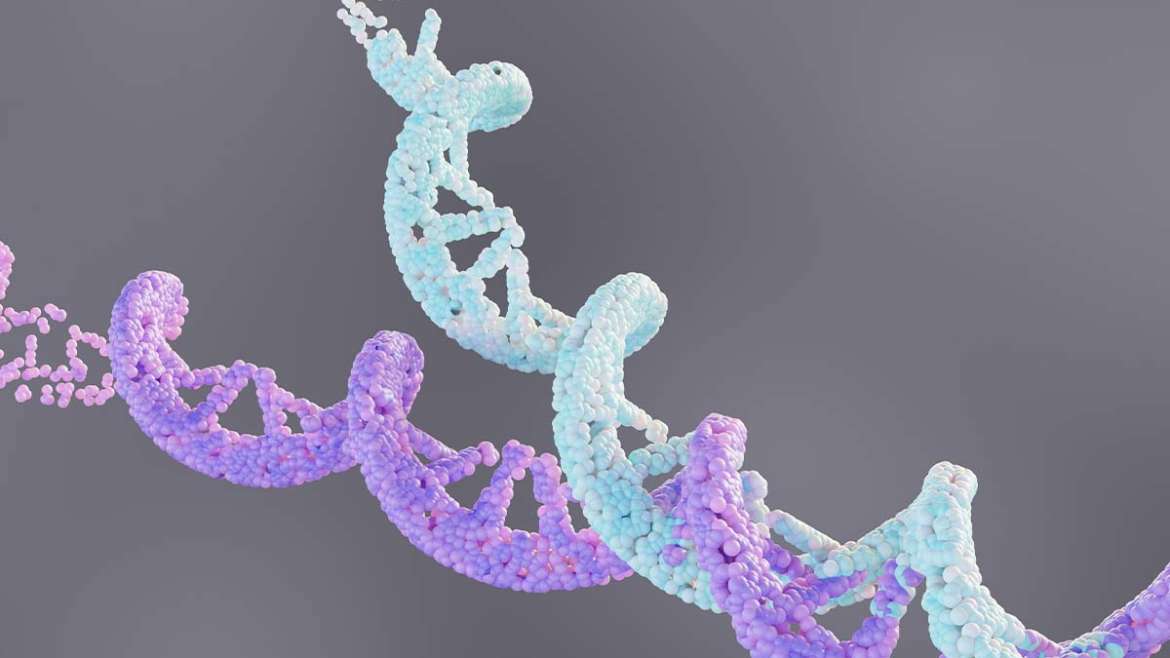
What is polynucleotide therapy?
The use of polynucleotides in aesthetic dermatology is a new approach to skin rejuvenation that improves the metabolism of skin cells, restores elasticity and hydration, treats sun-damaged skin, enhances appearance, and reduces the visibility of acne scars. After treatment, the skin appears healthier and more radiant. The result is completely natural, as polynucleotides stimulate skin cells to regenerate—boosting the production of hyaluronic acid, elastin, and collagen.
Due to their intensive, multi-level effects on the skin, polynucleotides have been shown to offer greater regenerative capacity compared to using hyaluronic acid alone.
Which areas of the body can be treated with polynucleotide therapy?
Polynucleotides can be used on the face, neck, décolletage, hands, and other parts of the body, as well as the scalp, eyebrows, and beard. Experts who developed usage guidelines* highlight their greatest effectiveness on the face, around the mouth, neck, and décolletage, where they rejuvenate the skin, increase hydration and firmness, improve surface texture and tone, and reduce the appearance of scars (from injuries, acne, etc.). On the body and backs of the hands, they enhance moisture, improve the appearance of scars and stretch marks, and offer anti-aging effects. On the scalp, eyebrows, and beard, they normalize hair follicle activity and stimulate hair growth.
Who is a suitable candidate for polynucleotide therapy?
All healthy individuals looking to improve their appearance and who have no general contraindications for procedures involving the injection of small amounts of bioactive substances into the skin are suitable candidates. For individuals around age 30, the greatest effects include reduced pore size and increased skin thickness, while those around age 40 may notice improved tone, reduced hyperpigmentation, fine lines, and sagging. Older patients may experience enhanced elasticity and hydration.
Polynucleotides can also be used as a preparation or booster for other skin rejuvenation therapies.
Since skin aging is a multifactorial process, combining multiple therapies tends to be more effective than using a single method. Preparing the skin with polynucleotides about a week before another treatment (laser, microneedling, fillers, chemical peels, etc.) can enhance and accelerate results. In some cases, polynucleotides can be used simultaneously with another therapy. The combined effect is often greater than that of each therapy alone.
How is polynucleotide therapy performed?
Polynucleotides are prepared in a syringe (usually 2 ml) and are carried in hyaluronic acid. This hyaluronic acid is not the same as that used in fillers—its purpose is to hydrate the skin and ensure even distribution of the polynucleotides, not to add volume. Polynucleotides are injected into the dermis using fine needles in the form of tiny droplets. This therapy improves skin health, enhances skin quality, and results in a completely natural appearance. In contrast, traditional hyaluronic acid fillers are injected deeper and can, if overused, temporarily alter facial features.
What are the recommendations for using polynucleotides on the face?
Whether used alone or in combination with other anti-aging treatments, polynucleotides are most effective when high-concentration products are used—especially for more advanced signs of aging. For initial therapy, at least three sessions are recommended, spaced 2 to 3 weeks apart. In certain cases of advanced aging, treatments may be done weekly for a total of four sessions.
How are polynucleotides used around the eyes, on the neck, décolletage, and backs of the hands?
A similar protocol to the face is used. For the eye area, three to four sessions with lower-concentration polynucleotides and smaller volumes are recommended. For the neck, décolletage, and hands, a larger volume is used, also three to four sessions.
How are polynucleotides used on the scalp?
Polynucleotides promote hair growth, resulting in stronger, thicker hair. A lower-concentration product is recommended, with one session every 7 to 14 days for an initial cycle of four sessions, followed by maintenance sessions every 21 to 30 days, also four in total.
When will the effects of polynucleotides become noticeable?
In some cases, results are visible after a single session, but most patients notice improvement after two sessions. Unlike hyaluronic acid fillers, where results are immediate, polynucleotides require a few weeks to activate skin cells and stimulate the natural production of hyaluronic acid, elastin, and collagen.
When are repeat polynucleotide treatments needed?
In most cases, treatments are repeated every 9 to 12 months, depending on the initial condition of the skin.